

Renewable Ingredients · PureSofina
PDS updated · September 2026
Soy Fatty Acids
PureSofina soybean fatty acids provide renewable feedstocks for alkyd resins, industrial soaps, surfactant derivatives and ester synthesis. Choose from six grades by initial color, iodine value, titer and acid value.
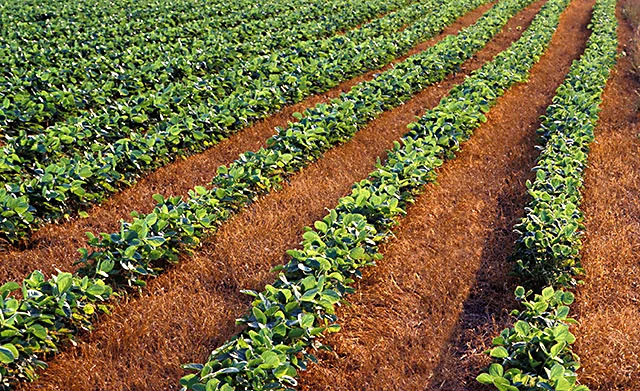
The PureSofina range
PureSofina 100 serves general industrial conversion, while 100S offers a tighter initial-color limit. PureSofina 100A emphasizes low titer, and 100C serves processes matched to its lower acid value range.
The 100 IL and 100S IL grades combine low iodine value with two levels of initial-color control for formulations targeting oxidative and color stability.
Find a grade for your formulation
Start with the property most important to your process, then check the complete product specification and evaluate the grade under representative formulation and processing conditions.
PureSofina 100
General purpose soybean fatty acid
A general-purpose soybean fatty acid with pale initial color and unsaturated fatty acid functionality for industrial conversion.
- Alkyd resins and industrial coatings
- Industrial soaps and surfactant derivatives
- Esters and lubricant intermediates
Start with 100 for general resin, neutralization and esterification work. Consider 100S when a tighter initial-color limit is required.
Request PDSPureSofina 100S
Pale soybean fatty acid
A pale soybean fatty acid for formulations in which the starting color of the feedstock is a key selection criterion.
- Pale alkyd resins and varnishes
- Color-sensitive soaps, amides and surfactant intermediates
- Plasticizer and lubricant ester synthesis
Choose 100S for its tighter initial-color limit. Evaluate color through the actual process cycle and in the finished formulation.
Request PDSPureSofina 100A
Low titer soybean fatty acid
A low-titer soybean fatty acid for industrial formulations that prioritize raw-material handling at lower temperatures and unsaturated fatty acid functionality.
- Industrial lubricant ester synthesis
- Metalworking-fluid and emulsifier intermediates
- Alkyd resins with less restrictive initial-color requirements
Choose 100A when low titer is a primary raw-material requirement. Evaluate finished-product low-temperature properties separately.
Request PDSPureSofina 100C
Lower acid value soybean fatty acid
A soybean fatty acid for industrial processes formulated around a lower acid value range and less restrictive initial-color requirements.
- Industrial soaps and emulsifiers
- Lubricant and metalworking-fluid intermediates
- Resin and ester formulations adapted to this grade
Match the process to this grade’s acid value and iodine value ranges. Calculate neutralizer and alcohol requirements from the batch acid value, and assess conversion and residual acidity.
Request PDSPureSofina 100 IL
Low iodine soybean fatty acid
A refined soybean fatty acid combining low iodine value with pale initial color for formulations targeting oxidative and color stability.
- Alkyd resins and coatings targeting resistance to yellowing
- Esters and plasticizers with controlled unsaturation
- Soaps, amides and color-sensitive surfactant derivatives
Choose 100 IL when low iodine value and pale starting color meet the formulation needs. In air-drying alkyds, evaluate drying speed alongside color retention.
Request PDSPureSofina 100S IL
Pale low iodine soybean fatty acid
A refined soybean fatty acid combining low iodine value with a tighter initial-color limit for especially pale formulations.
- Pale alkyd resins and varnishes
- Color-sensitive esters and plasticizers
- Pale soaps, amides and surfactant derivatives
Choose 100S IL when especially pale starting color is required alongside low iodine value. Its initial-color limit distinguishes it from 100 IL; both grades have the same specified heat-color limit.
Request PDSFrom feedstock to formulation
Application imagery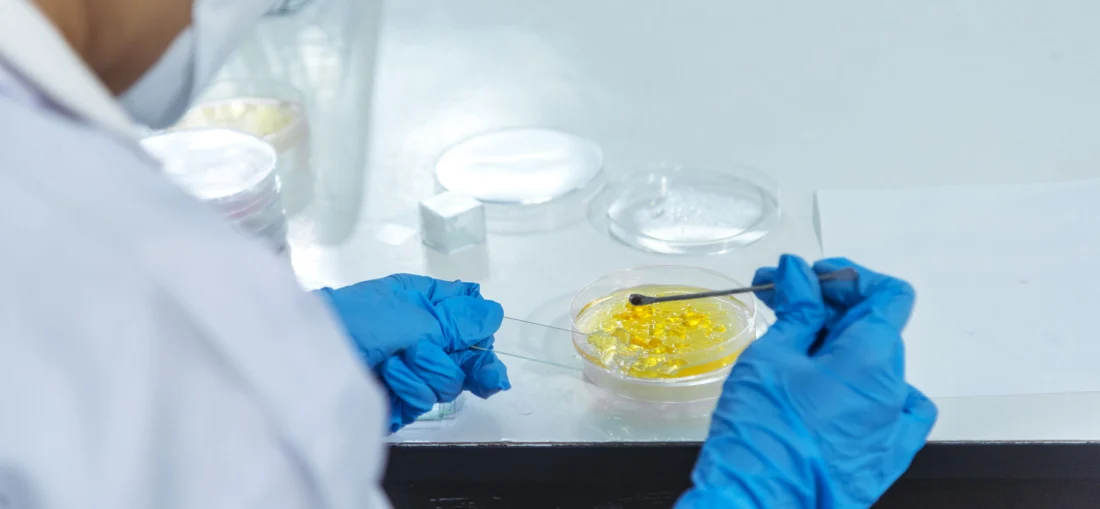
Resins & coatings
Fatty acid feedstocks for alkyd resin and ester synthesis.
Surfactants & emulsifiers
Intermediates for industrial soaps, surfactants and formulated systems.
What to check when selecting a grade
- Initial color and processing color. S grades offer tighter initial-color limits. Check color after the actual synthesis cycle and in the finished product. Compare heat-color results only when holding time and atmosphere match.
- Iodine value and reaction behavior. Select unsaturation around the intended conversion route. With low-iodine IL grades, assess oxidation and color stability in the complete formulation; air-drying alkyds also require a balance between drying response and color retention.
- Titer and handling. Consider 100A when low titer is a priority. Titer measures fatty acid solidification; finished-product pour point and minimum pumping temperature require separate evaluation.
- Acid value and formulation quantities. Use the batch acid value to calculate neutralizer or alcohol requirements. For 100C, check that the process is matched to its lower acid value range and evaluate conversion and residual acidity.
Product data and application support
Request the current product data sheet for the selected grade, including specification limits, typical properties, packaging and storage guidance. Review the current safety data sheet before use.
For grade selection, share the intended reaction or blending process, color requirements, storage and transfer temperatures, and the finished-product properties you need to control.
Discuss your PureSofina application
Contact Cestoil for grade selection, the relevant PDS and SDS, or a sample for formulation evaluation.